How I got here
The long version of my background, from Greece to a PhD in Tennessee, with a few detours in between.
I wanted to give you the full story here, since the Hello World post only scratches the surface. If you’re in a hurry, the About page has the short version.
Greece
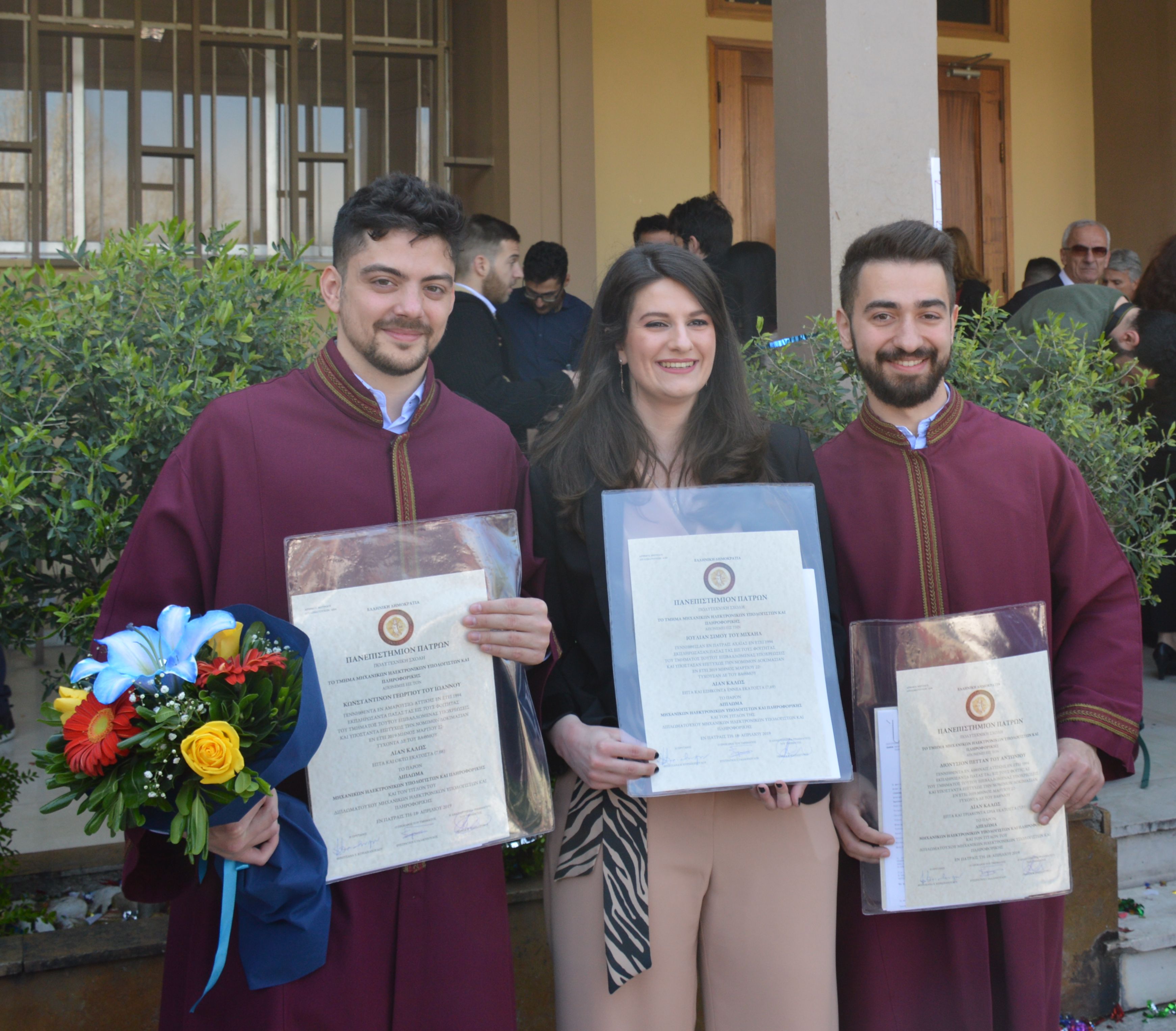 I grew up in Greece and studied Computer Science and Engineering at the University of Patras from 2012 to 2019, finishing with a Hybrid Master’s degree. I’d been writing code since high school, so once I got there I gravitated toward the software and machine learning specialization. There was a lot of C++ and Java in the early years, more Python later, algorithms and data structures, data mining, information retrieval, and the machine learning fundamentals that I’d end up going much deeper into later.
First time in industry
At some point during undergrad I got awarded an Erasmus Placement fellowship to do a software engineering internship abroad. I spent three months in the UK as a software engineering intern at Global Voices, which turned into a full-time role. Over the year I was there I shipped 20+ features for the company’s translation CMS, mostly Python services and SQL-backed workflows. It was my first time building things that paying customers used every day, and it stuck with me.
Back to research
After about a year I wanted to come back to Greece and try the research side for a while. I spent a year as a machine learning researcher at the University of Patras. The project I cared about most was a distributed community detection algorithm for social graphs, which we called Hybrid Girvan Newman. It became my Master’s dissertation, and got published in the Algorithms journal right before I graduated.
Data engineering
The research year was good, but I wanted to build things again and I’d gotten curious about big data. So I joined Performance Technologies as a Data Engineer.
The project I remember most vividly was for OTE, the main telecommunications provider in Greece. They had hundreds of databases scattered across the country and needed a single low-latency view of all of it in one data lake. Terabyte scale. I used Python, Apache Spark, and Kafka to stream change-data-capture events into Vertica, then built a machine learning model on top of that feed to predict order fulfillment times. It was the first time I got to own a full ML system from data ingestion through to production inference, and it was the thing that convinced me I wanted to go much deeper into machine learning.
The PhD
I spent a little over two years at Performance Technologies and learned a lot about distributed systems and shipping things to production. But I kept coming back to the ML pieces, and I wanted to understand them in real depth, not just use them. So I applied for PhDs.
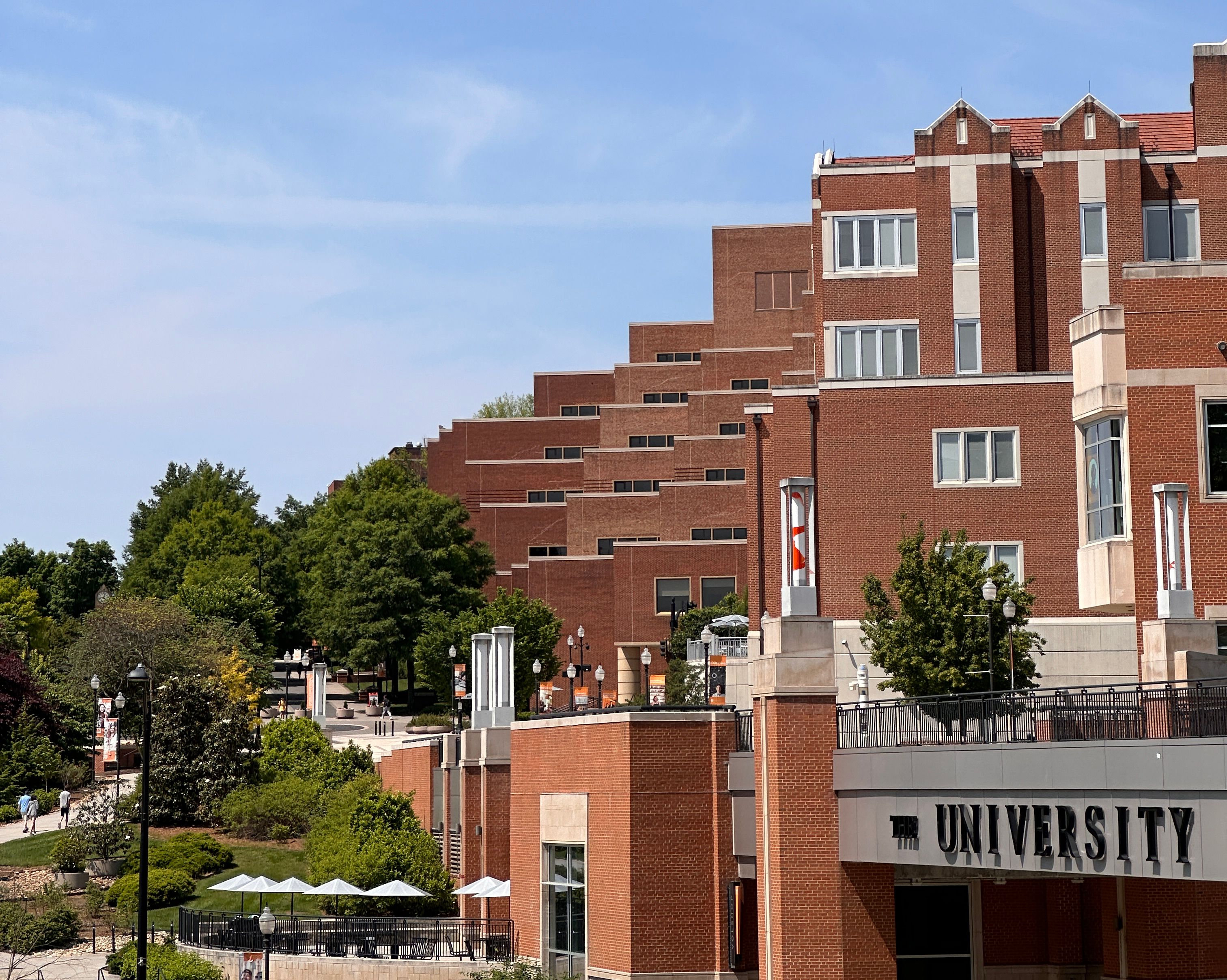
In 2021 I moved to the U.S. and started a PhD in Machine Learning at the University of Tennessee, working with Dr. Hairong Qi at the Bredesen Center.
The research there focused on self-supervised learning, masked autoencoders, and knowledge distillation, applied mostly to remote sensing and medical imaging. The short version: how do you train models that understand images without millions of hand-labeled examples, and how do you distill what a big expensive model has learned into a smaller, faster one?
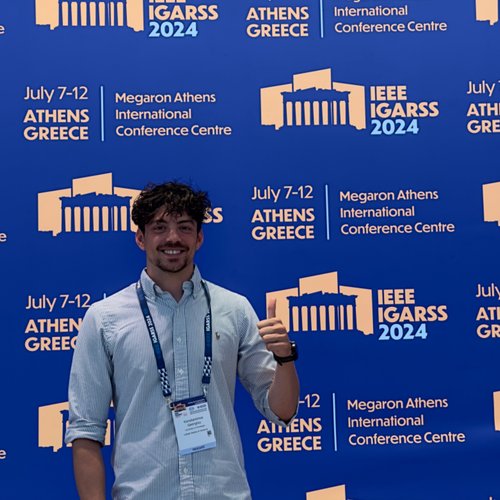 Over four years it became nine papers and more than a hundred citations. The full list lives on the Publications page (and on Google Scholar), but the ones I’m most proud of are:
- ExPLoRe: Loss-Coupled MoE for Masked Image Modeling (ECCV 2026): my latest work, per-patch loss weighting for masked image modeling.
- Cross-Scale MAE (NeurIPS 2023): the first work to push masked autoencoders into multi-scale remote sensing. It still gets forks and emails.
- MEDiC: Multi-objective Exploration of Distillation from CLIP (arXiv 2026): a CLIP distillation pipeline that became my open-source PyTorch release.
I defended in April 2026. I graduate in May.
Amazon (the internship)
During the last year of the PhD I did a summer internship at Amazon as an Applied Scientist. It gave me the chance to combine my love for research with my love for shipping products.
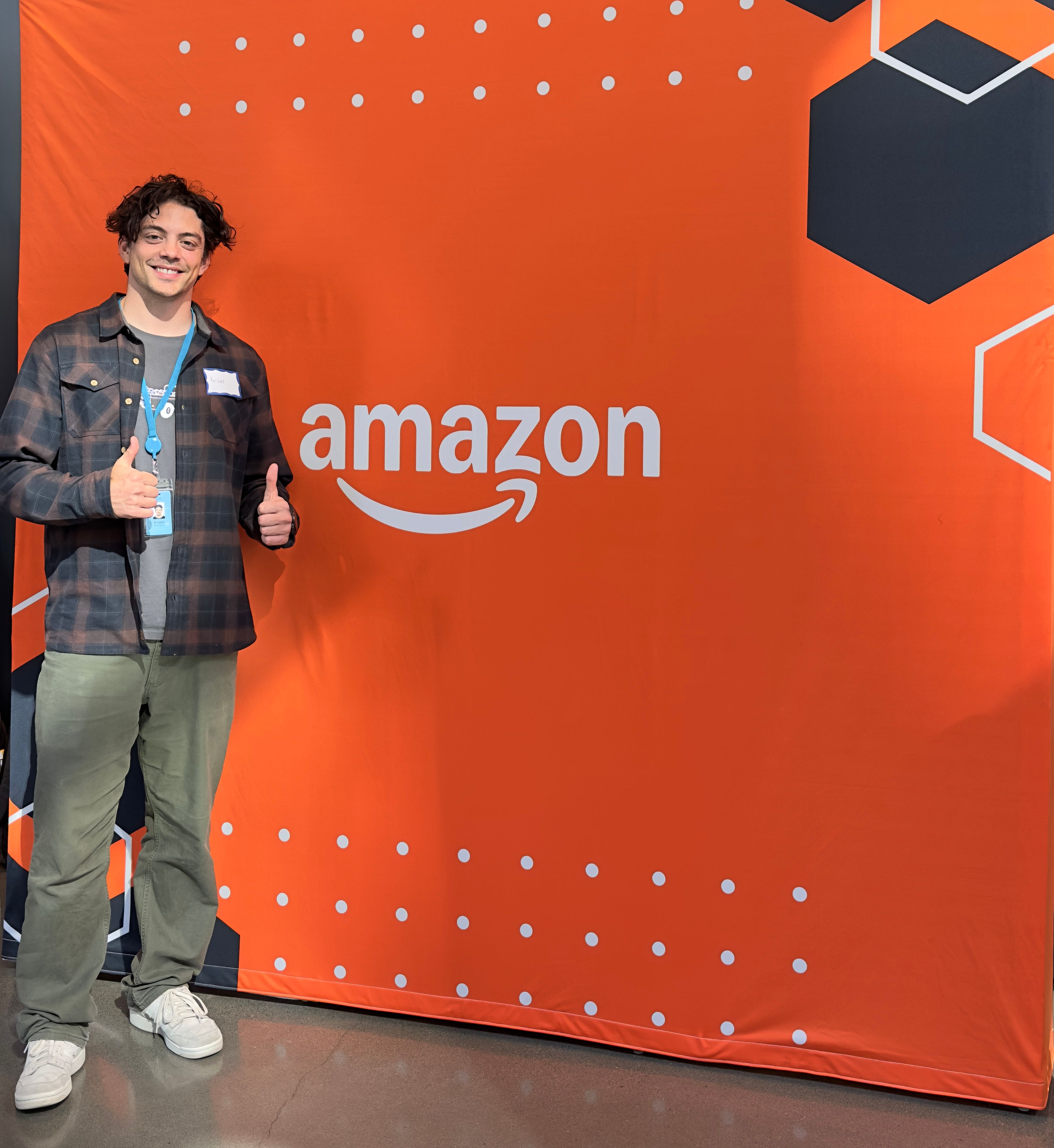
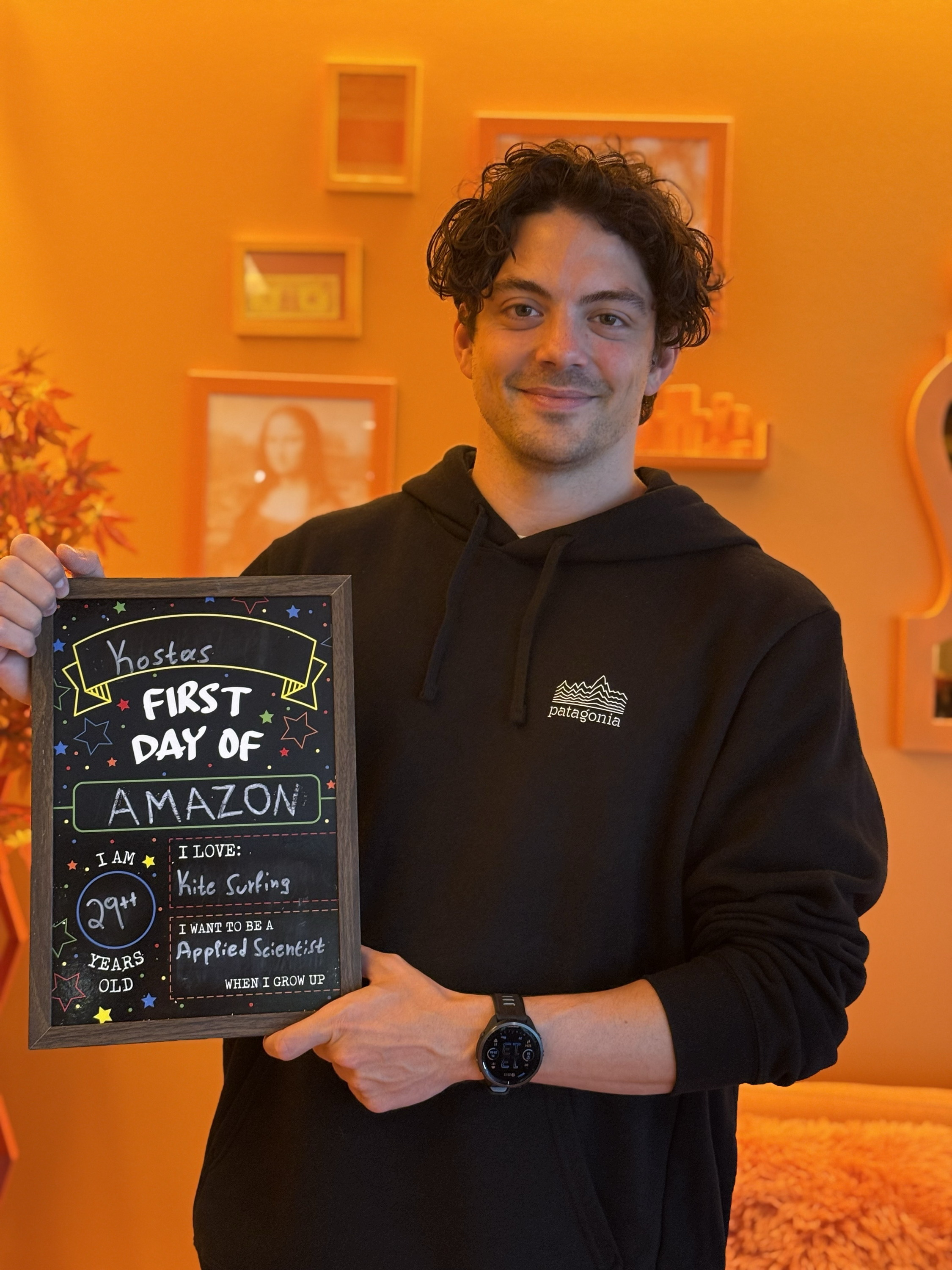
The main thing I built there was a multi-agent LLM framework that turns natural language requests into executable code. On smart-home automations it reached 82% functional success, and on the MBPP coding benchmark it reached 87.6%. I also engineered an impossibility detector that flagged over 93% of unfeasible requests (4.5x over the baseline), which prevented the system from hallucinating code it had no way of running.
I didn’t end up accepting the return offer. I wanted to move back to Greece.
XpensAI
In parallel with the PhD, I co-founded XpensAI, an AI-powered expense management SaaS platform. It’s now used by more than 30 small and medium-sized businesses, where it has reduced manual expense entry by roughly 65%.
I led the AI side of the product: automated expense tracking, real-time analytics, and the receipt scanning pipeline. The current version runs about 120% faster than our first baseline and hits around 95% accuracy on receipt scanning. It was the most rewarding side project of my PhD, and the first time I got to see my own work land directly in people’s daily routines.
FleetSmart.ai
Alongside the PhD, I took on a freelance engagement with FleetSmart.ai, building out their AI decision engine for maritime vessel positioning.
The system combines deterministic market filtering with multi-provider LLM reasoning (Gemini, OpenAI, and Claude) to generate five to ten ranked recommendations for each vessel, with structured output validation through Pydantic. Around that, I built real-time market-intelligence pipelines that pull Baltic Exchange indices, bunker futures from FIS Live (the forward freight agreement curves), port congestion predictions, and live news sentiment into a single decision context for each recommendation.
The stack is FastAPI on the backend, Next.js on the frontend, deployed to Google Cloud Run with Terraform managing separate prod and staging environments, and automated regression testing across every LLM provider so drift gets caught the moment one of them changes behavior.
Where I am now
So that’s the long version. I defended, I graduate in a month, and I’m looking for a remote machine learning or AI engineer role (Applied Scientist also works) that lets me work from Greece. Hopefully by the time you’re reading this, I’ve already found it.
If you want to see what I’m actually working on, Projects is probably the right place to start. If you want to read the papers, Publications has all nine with live citation counts. If you want the short version of me, the About page has it.
How did this read?
Comments
Loading comments...
Subscribe via RSS
Stay in the loop. Posts, papers, projects, and site updates.